Torn between the energy of downtown and the breathing room of a gated suburb? You are not alone. Choosing where to live in the West Palm Beach area comes down to how you want to move through your day, what you value in a home, and which tradeoffs fit your budget. In this guide, you will compare lifestyle, commute, costs, schools, flood risk, and neighborhood options so you can feel confident about your next move. Let’s dive in.
Downtown vs suburbs at a glance
Downtown West Palm Beach centers on Clematis Street, the waterfront along Flagler Drive, and the mixed-use district historically known as CityPlace, which was rebranded back to CityPlace in 2024 after a period as Rosemary Square and The Square. This compact area brings you high-rise and mid-rise condos, dining, the Kravis Center, the Norton Museum of Art, convention facilities, and rail connections within a walkable footprint. Local coverage of the CityPlace name change explains the 2024 rebrand.
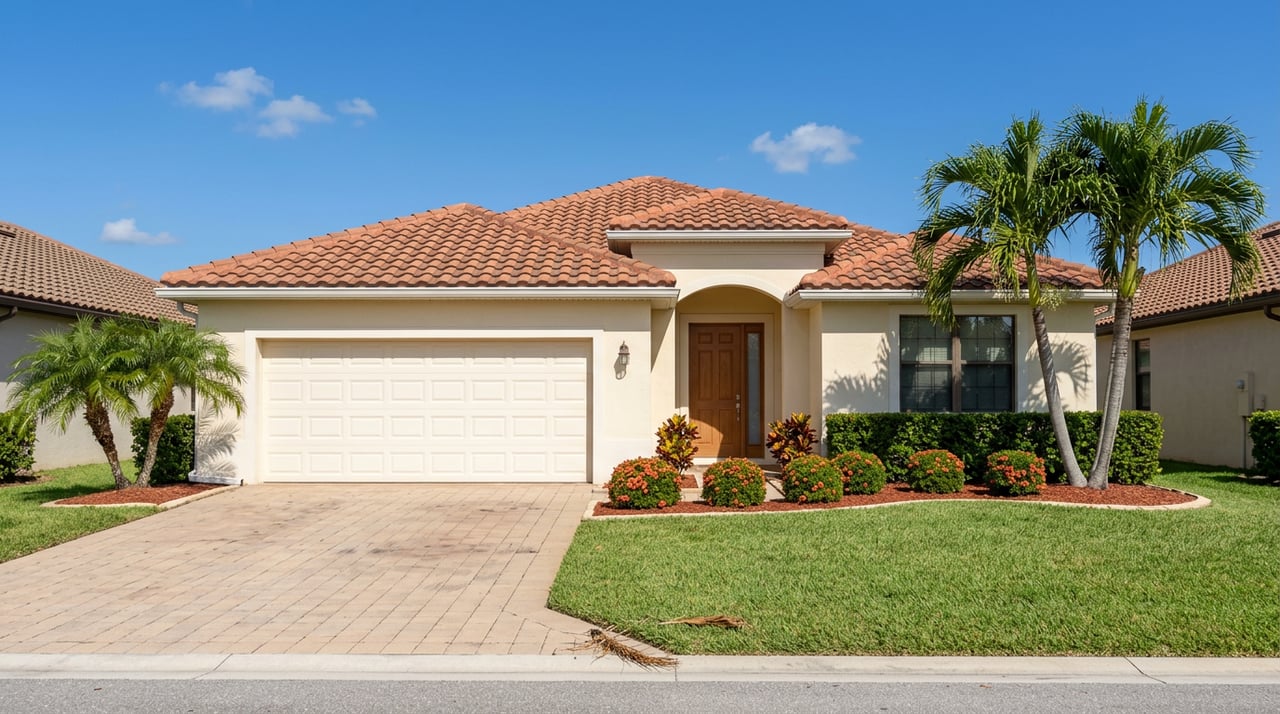
Western gated and golf communities such as Wellington, PGA National, and Ballenisles lean into space and amenities. You get single-family homes, villas, and townhomes, often behind gates, with clubhouses, golf, tennis, pools, and neighborhood programming. Daily life is more car dependent, but many recreational needs sit inside the community.
A day in the life
If you live downtown
- Morning: Walk to coffee on Clematis or CityPlace, then stroll the waterfront. A Clematis Street address earns a Walk Score in the high 90s, signaling a true walker’s lifestyle. See Clematis Street’s Walk Score for context.
- Midday: Run errands, meet friends for lunch, or catch a daytime event at the Kravis Center. Many needs are within a few blocks.
- Evening: Leave the car parked and head to dinner or a show. For regional trips, the Brightline station sits downtown, putting Miami and Fort Lauderdale within an easy train ride; see the West Palm Beach Brightline station location.
If you live in a gated or golf community
- Morning: School drop-off and a commute typically happen by car. The U.S. Census reports a mean travel time to work of about 23.4 minutes for West Palm Beach city, while inland areas such as Wellington average longer drives around 32 minutes. Check the Census QuickFacts for West Palm Beach as a baseline.
- Midday: Fit in a workout at the community fitness center or a quick round of golf. Most errands are a short drive away.
- Evening: Enjoy neighborhood programming, tennis or pickleball, and dinner at the clubhouse, then an easy drive home inside the gates.
Commute and regional access
If you work in downtown West Palm Beach or along the coastal corridor, living downtown can trim your daily travel time. The city’s mean commute sits around 23.4 minutes, according to the U.S. Census QuickFacts. Inland suburbs such as Wellington report longer averages, reflecting distance from job centers.
For intercity trips, downtown excels. Brightline’s West Palm Beach station and the nearby Tri-Rail and Amtrak connections put Miami, Fort Lauderdale, and other South Florida hubs within reach without a car. Many suburban residents still drive to park-and-ride lots or stations when needed, but downtown residents often walk to the train.
Homes, budgets, and ongoing costs
Both settings offer broad price spectrums. Countywide, market activity remained steady through 2024 and into 2025 even as inventory and days on market rose from the pandemic peak. For context, industry reports tracked county-level median sale prices commonly in the $500,000-plus range, with differences by property type and month. See the Palm Beach County market summary for a recent snapshot.
- Downtown condos: You will see everything from entry-level units to luxury high-rises with waterfront views. Expect HOA fees, and factor in parking arrangements if spaces are deeded, leased, or valet.
- Gated and golf communities: Options span townhomes and villas to large single-family homes and estates. Plan for HOA fees and, where applicable, golf or club memberships. Maintenance such as landscaping and pools is a bigger line item for single-family homes.
Your total cost of ownership depends on more than purchase price. Compare HOA dues, taxes, insurance, parking or club fees, and maintenance when you build your budget.
Flood risk and insurance
Flood zones and base flood elevations changed locally on December 20, 2024, when updated FEMA maps took effect. Thousands of parcels across Palm Beach County shifted categories, which can influence lender requirements and insurance premiums. Verify the current FEMA panel and check an individual address using the county’s viewer on the Palm Beach County flood zone update page.
- Downtown waterfront: Properties near the Intracoastal and east of U.S. 1 are more likely to sit in higher-risk zones that may require flood insurance. Ask for an Elevation Certificate where available.
- Western suburbs: Many inland communities fall in lower-risk zones, but heavy rain can still cause localized flooding. Always confirm the exact lot’s designation and discuss quotes with your insurer.
Schools and family logistics
Downtown offers proximity to notable magnet options. A well-known example is Alexander W. Dreyfoos Jr. School of the Arts, a selective public high school in the urban core. Families interested in arts education often explore Dreyfoos’ program profile and the district’s admissions requirements. Zoned public schools vary by address, so verify boundaries with the Palm Beach County School District.
Suburban communities tend to emphasize family services and proximity to a range of public and private schools. If schools are central to your decision, map out daily routes and after-school activities along with commute time.
Safety and peace of mind
Safety varies by block, time of day, and community. Downtown’s nightlife and visitor traffic can mean more reports of minor incidents than you might see inside a quiet gated subdivision. Many gated communities add controlled access and private patrols. For a clear picture, review recent data using neighborhood-level resources such as West Palm Beach crime summaries, and visit candidate neighborhoods at different times.
Neighborhood shortlist
Downtown core: Clematis, CityPlace, waterfront
- Why you will like it: Top walkability, quick access to dining, arts, and Brightline, plus waterfront parks.
- Considerations: Condo living, HOA rules, and potential flood insurance near the Intracoastal.
Wellington
- Why you will like it: Equestrian culture, planned neighborhoods, and a strong family-services ecosystem.
- Considerations: Longer average commute to downtown hubs and a car-forward routine.
PGA National and Ballenisles (Palm Beach Gardens)
- Why you will like it: Gated country-club lifestyle, golf and racquet sports, robust social calendars.
- Considerations: Club dues where applicable and higher maintenance expectations.
Royal Palm Beach and Loxahatchee area
- Why you will like it: Larger lots and a more suburban feel, with many gated options at different price points.
- Considerations: Car-dependent errands and regional drives for beaches and downtown events.
Quick decision checklist
Use this to align your lifestyle with the right address:
- Daily routine: Do you want to walk to coffee, groceries, and arts venues, or drive to amenities inside a gated community? Check real walkability using the Clematis Street Walk Score as a benchmark.
- Commute tolerance: Compare your likely route against the city’s 23.4-minute mean commute from the U.S. Census QuickFacts. Test-drive at rush hour.
- Budget and fees: Add HOA or condo dues, club memberships, parking, insurance, and maintenance to your monthly number.
- Flood and insurance: Confirm the FEMA zone and request an Elevation Certificate where possible. Start with the county’s flood zone update page.
- Schools and activities: If a magnet program like Dreyfoos appeals, learn the admissions process. For zoned schools, verify the exact address with the district.
Ready to compare homes?
Whether you prefer a sky-lit condo near the waterfront or a quiet fairway view behind the gates, you deserve guidance that fits your goals and timeline. If you want a clear plan, curated options, and a smooth path to the right address, connect with Darlene Streit PA for concierge-level representation tailored to your lifestyle.
FAQs
What is living in downtown West Palm Beach like?
- Expect a walkable routine near restaurants, arts venues, the waterfront, and train stations. Many daily needs sit within a few blocks, and Brightline’s downtown station simplifies regional trips.
How do condo HOA fees compare to gated community costs?
- Condo HOAs cover shared systems and amenities, sometimes parking. Gated single-family homes add HOA dues and, where applicable, club memberships plus higher maintenance for landscaping and pools. Compare all line items before you commit.
Is flood insurance required downtown?
- It depends on the property’s FEMA zone and your lender’s requirements. Many waterfront parcels downtown fall into higher-risk zones. Check the specific address on the Palm Beach County flood zone page and request an Elevation Certificate.
Which areas offer the shortest commute in the region?
- Proximity drives commute time. The city of West Palm Beach reports a mean travel time to work of about 23.4 minutes per the U.S. Census QuickFacts. Inland suburbs often average longer due to distance from job centers.
Are downtown schools a good fit for families?
- Downtown addresses sit near a range of public, magnet, and private options. Families interested in arts education often explore the Dreyfoos School of the Arts profile. Always verify zoning and admissions details with the district for your exact address.