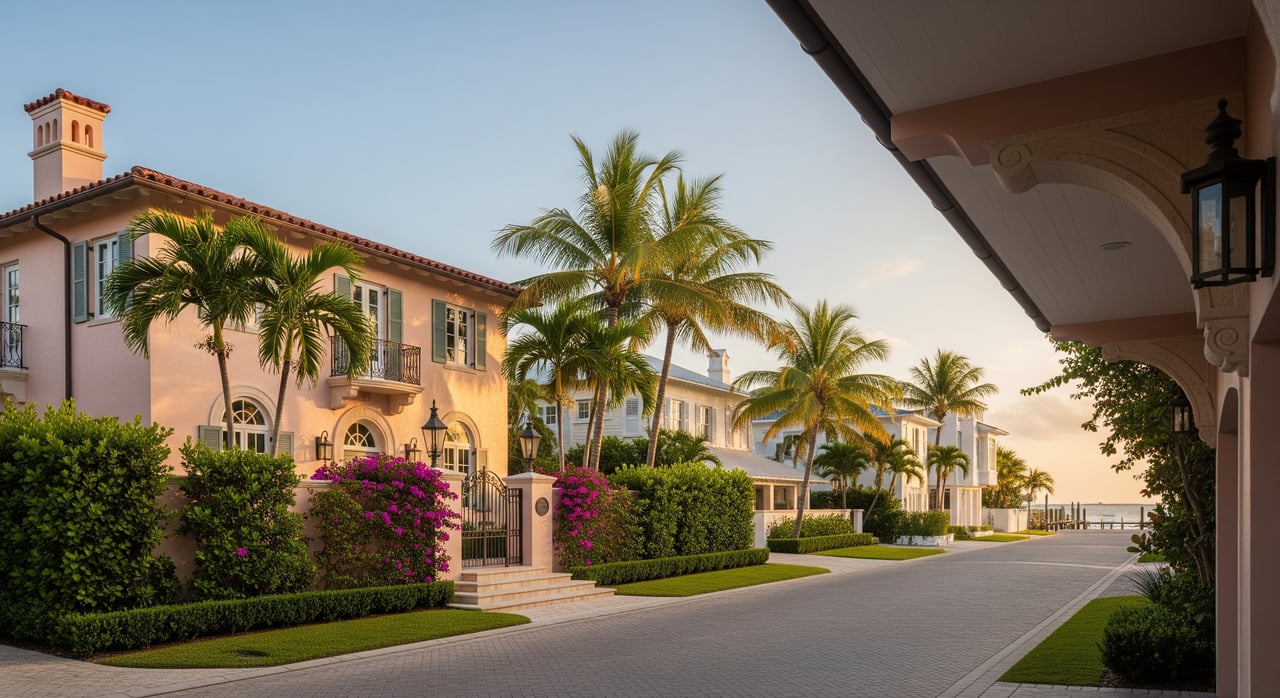
Are you wondering why two Palm Beach homes a mile apart can price so differently? When you shop the island, small shifts in location, lot size, and risk translate into big changes in value. If you understand how the North End, Midtown, and the Estate Section differ, you can target the right fit for your lifestyle and long‑term goals. This guide breaks down what truly drives value on Palm Beach Island and how each micro‑neighborhood performs so you can buy with confidence. Let’s dive in.
What drives value on Palm Beach Island
Waterfront position and orientation. Oceanfront and direct Intracoastal parcels carry the highest premiums. Southern exposure, unobstructed views, and protected dockage often boost both price and resale. The presence and condition of seawalls, docks, and mooring rights can add cost or value.
Lot size and buildability. Larger parcels and those that allow meaningful expansion or new construction command higher values. Zoning rules, setback requirements, and any historic review will change your renovation budget and timeline.
Property type and scarcity. Single‑family estates sit at the top of the market with very limited supply. Condominiums and townhomes in central locations can offer lower entry points and a turnkey lifestyle.
Proximity to amenities. Walkability to beaches, Worth Avenue, dining, clubs, and services drives a strong lifestyle premium, especially for year‑round owners.
Buyer mix and seasonality. The island blends full‑time residents, snowbirds, and international buyers. Demand often peaks in late fall and winter, which can compress showing windows and negotiations.
Insurance and climate risk. Flood zone, elevation, storm surge exposure, and wind coverage can shift monthly carrying costs and underwriting. Sea‑level rise considerations are increasingly part of long‑term planning.
Taxes and carrying costs. Second homes often do not receive homestead exemptions. HOA or condo fees, staffing, and maintenance line items should be modeled into your total cost of ownership.
North End: relaxed and residential
The North End offers a quieter, more residential feel with a mix of renovated cottages, single‑family homes, and some Intracoastal properties. Entry costs on the island are often lower here than farther south, which appeals to second‑home buyers and downsizers. Many parcels are near the water and marinas, which supports boating and beach access. Character and charm are preserved, and renovation potential on smaller lots can create value uplift.
North End value drivers
- Proximity to the Intracoastal, marinas, and beaches for daily lifestyle.
- Renovation potential on existing homes to add function and finishes.
- Neighborhood character that attracts steady long‑term demand.
North End watch‑outs
- Fewer large lots for new estate‑scale builds.
- Elevation and flood zones vary by block; insurance costs can be parcel specific.
- Verify any seawall or dock condition and potential capital items.
Midtown: walkability and convenience
Midtown centers on the Worth Avenue and downtown corridor, where you find luxury condos, townhomes, and select single‑family homes. The draw is simple. You can walk to shopping, dining, galleries, and services in minutes. Full‑service buildings with valet and concierge amenities can command meaningful premiums and offer low‑maintenance living.
Midtown value drivers
- Best‑in‑class walkability to Worth Avenue, restaurants, and cultural venues.
- Branded addresses and well‑managed condo buildings.
- Lock‑and‑leave convenience for seasonal or international owners.
Midtown watch‑outs
- HOA fees, association reserves, and any special assessments.
- Building rules on leasing, pets, and renovations that affect flexibility.
- Demand can be seasonal, which influences inventory and pricing rhythm.
Estate Section: scale and scarcity
The Estate Section is known for large historic and modern estates on expansive lots, often with private pools, guest houses, and ocean or Intracoastal frontage. Privacy, acreage, and the ability to build or expand drive a durable premium here. Scarcity of comparable parcels supports long‑term value for buyers seeking legacy properties.
Estate Section value drivers
- Very large lots with deep setbacks and long driveways.
- True waterfront estates with premier views and access.
- Limited supply that helps preserve per‑square‑foot pricing.
Estate Section watch‑outs
- High carrying costs for maintenance, landscaping, and staffing.
- Historic preservation and design review can add time and cost to projects.
- Oceanfront exposure requires careful attention to flood, wind, and seawall integrity.
Fit your goals to the right area
Your best match depends on how you want to live and what you want your property to do for you over time. Use this quick guide to align lifestyle with neighborhood traits.
If you want full‑time living
- Consider Midtown for daily walkability to services and dining.
- Explore North End pockets with strong residential character.
- Verify year‑round service access, health care proximity, and commute patterns.
If you want low‑maintenance ease
- Focus on Midtown condos with full services and strong management.
- Review HOA rules, owner occupancy ratios, and rental policies.
- Compare fees and reserves across buildings to gauge true monthly cost.
If you want a trophy or legacy estate
- Prioritize the Estate Section for lot size, privacy, and build potential.
- Confirm zoning, setbacks, and any historic constraints for future plans.
- Model long‑term insurance and maintenance to protect your investment.
If boating is a must
- Target Intracoastal or oceanfront parcels with private docks where allowed.
- Confirm mooring rights, depth at dock, and dredging history.
- Map marina access and local harbor rules for your vessel size.
Due diligence that protects value
Ask these questions early so you can compare properties with clarity and avoid surprises during escrow.
- What flood zone and base flood elevation apply to this parcel?
- What are current annual wind and flood premiums, and are there carrier restrictions?
- Are there records for seawall, dock, or bulkhead maintenance or permits?
- What are HOA or condo fees, reserve levels, and any recent special assessments?
- Do historic or design rules affect timelines and costs for your intended work?
- What are verified closed prices for similar properties in the past 12 to 36 months?
- Are rentals allowed, and what are minimum terms and registration requirements?
- How many months each year is the market most active in this micro‑neighborhood?
Timing and negotiation tips
Expect a seasonal cadence. Many sellers list ahead of winter when buyer activity spikes, which can compress negotiation windows. For rare trophy properties with limited comps, off‑market introductions are common, so agent network access matters. Obtain insurance quotes during diligence, not after, to keep financing and affordability aligned.
Long‑term risks and carrying costs
Climate and insurance factors are now central to value on coastal property. Flood zone, elevation, and storm codes influence both design choices and annual premiums. Estate properties can require sizable annual budgets for landscaping, pools, systems, and seawalls. If you plan to rely on rental income, verify all municipal and HOA rules since many areas restrict short‑term use.
How micro‑neighborhood choice affects resale
Your future buyer will weigh the same drivers you evaluate today. Waterfront orientation, lot size, and proximity to Worth Avenue and services tend to anchor price and liquidity across cycles. Midtown’s convenience often supports steady seasonal demand, while the Estate Section’s scarcity can protect top‑tier values over longer horizons. The North End’s residential feel and renovation potential can deliver attractive value growth when projects are well planned and executed.
Work with a trusted local advisor
Palm Beach is a detail market where parcel‑level nuances shape outcome. You gain leverage when your agent pairs live MLS data with zoning, flood, and association specifics that fit your goals. For high‑end and second‑home purchases, a concierge approach that coordinates vendors, insurance, and closing logistics saves time and reduces risk. If you are planning a purchase or sale, connect with Darlene Streit PA for discreet, white‑glove guidance tailored to your next move.
FAQs
What makes Palm Beach micro‑neighborhoods different?
- Waterfront position, lot size, buildability, walkability to services, and risk profile vary by area, which changes pricing, carrying costs, and long‑term resale.
How does waterfront orientation affect price?
- Oceanfront and direct Intracoastal parcels with strong exposures and unobstructed views command the highest premiums and tend to resell more easily.
What insurance costs should I expect in Palm Beach?
- Wind and flood premiums are parcel specific and depend on elevation, construction, and location; obtain quotes during diligence to confirm affordability.
Do historic rules impact renovations on the island?
- Yes, historic preservation and design review can add time and cost but help preserve character and value; confirm requirements before planning work.
When is the best time to buy on Palm Beach Island?
- Late fall and winter bring more listings and buyers, so act early, prepare financing, and use timely data to navigate competitive, seasonal conditions.