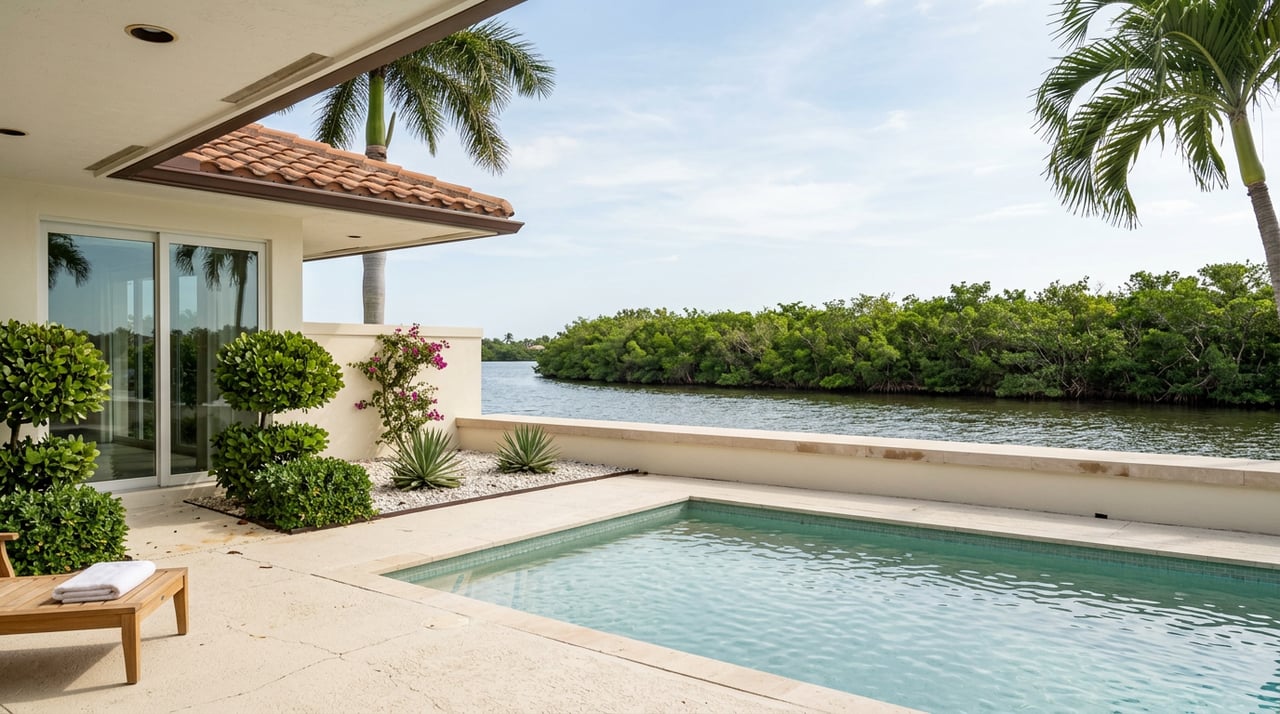
Trying to decide between a riverfront home, an Intracoastal canal address, or a direct oceanfront view in Jupiter? You’re not alone. Each shoreline offers a distinct boating experience, lifestyle, and set of practical checks that can make or break your purchase. In this guide, you’ll see how the Loxahatchee River, the Intracoastal Waterway and canals, and the oceanfront compare on access, conditions, property types, and must-know due diligence. Let’s dive in.
Quick compare: river, ICW, or ocean
- Loxahatchee River: Fast runs to Jupiter Inlet with a green, sheltered vibe and larger lots. Private docks are common. Seasonal slow-speed zones apply.
- Intracoastal & canals: Protected cruising with marinas and condo options. Shoaling and periodic dredging can affect navigation windows.
- Oceanfront: Immediate beach access and sunrise views. Expect salt-air exposure, lighting rules during turtle season, and open-ocean boating through the inlet.
Loxahatchee River: sheltered, scenic, quick to the inlet
You feel close to nature on the Loxahatchee. Many homes sit on larger lots with mature landscaping, and private docks are common. The channel is buoyed and locally managed, which helps with predictable navigation and clear speed zones. The Jupiter Inlet District maintains markers and publishes local boater guidance and seasonal manatee zones that shape daily runs and idle times. You can review their aids and notices on the Jupiter Inlet District page for navigational aids.
Typical property mix and pricing
- What you’ll find: single-family waterfront homes, from renovated classics to new estates with long river views.
- Pricing snapshot: riverfront spans a wide range, from roughly low seven figures for smaller, older waterfronts to well into the multi-million tier for larger frontage and rebuilt estates. Use these as broad signals and verify current availability and comps.
Buyer checks that matter
- Confirm dock permits, boatlift capacity, and any recent seawall work with the Town or County. The Town of Jupiter’s permit FAQs outline what to review.
- Ask for recent depth readings at the dock, turning room, and bridge clearances. Local guides and marker charts from the Jupiter Inlet District are a reliable source.
- Walk the shoreline with an engineer if possible to assess seawall condition.
Lifestyle snapshot
- Morning paddleboards in protected water, dolphins in the channel, and quick, sheltered runs to restaurants or the inlet.
Intracoastal & canalfront: protected cruising and marina life
If you want protected north-south cruising with convenient stops and social dock life, the Intracoastal Waterway and surrounding canals deliver. You’ll see a mix of single-family canal homes and many condos with water views, day docks, or marina access. Some communities include or lease slips. For mid-size vessels, protected marinas like the Jupiter Yacht Club Marina offer infrastructure and slip options; confirm size and amenities directly with the marina.
Navigation and maintenance realities
- The ICW benefits from regular dredging in high-use cuts. The U.S. Army Corps of Engineers awarded a maintenance dredging contract near the Jupiter Inlet and nearby IWW cuts, with material placed on beaches in some phases. Check current status before planning passages, especially for deeper-draft boats.
- Always review Local Notices to Mariners for active work zones, changed aids, and bridge updates.
Typical property mix and pricing
- What you’ll find: canal single-family homes and many ICW-view condos.
- Pricing snapshot: condos often trade in the mid six figures, while canal homes commonly range from about low seven figures to several million. Exact pricing depends on canal width, depth, exposure, and dock/lift specs.
Buyer checks that matter
- Verify whether a slip is deeded, assigned, or leased through an association, and request the rulebook on rentals, transients, and lift or electric capacity.
- Ask for recent dredging notices and local feedback on shoaling frequency in your canal or nearby cuts.
Lifestyle snapshot
- Easy afternoon cruises along protected water, simple guest docking, and quick access to marinas and waterfront dining.
Oceanfront: beach at your door and big Atlantic views
Oceanfront living in Jupiter is about direct beach access, sunrises, and natural light. Many buyers choose condos for amenities and turnkey ownership, while private estates offer maximum privacy at higher price points. Expect stronger wind and salt-air exposure compared to river or canal settings and follow lighting rules that protect nesting sea turtles.
Waves and beach character
- Most days bring small to moderate surf, often around 1 to 3 feet. Conditions improve with the right seasonal swells and near the inlet or reefs. For accurate expectations, use a dedicated forecast service like the Palm Beach county page on Surfline.
Pricing and trade-offs
- What you’ll find: oceanfront condos with 1 to 3 bedrooms and resort-style amenities, plus select beachfront estates.
- Pricing snapshot: many resale condos trade in the mid six figures, while oceanfront houses are often multi-million purchases. In return, you get direct beach access and open views in a low-maintenance setup if you choose a condo.
Buyer checks that matter
- Review local turtle-season rules for lighting and vegetation. The Town of Jupiter outlines requirements and timing.
- Ask about any planned beach nourishment or inlet sand placement activity, which can temporarily change beach profiles. You can track dredging schedules and notices through USACE updates.
Lifestyle snapshot
- Sunrise coffee on the balcony, beach walks steps from your door, and quick drives to the inlet for offshore days.
Boating access essentials: get your numbers right
No matter where you buy, confirm that your boat and boating style fit the property.
“Can my boat fit?” quick checklist
- LOA and beam vs. canal or fairway width and slip dimensions.
- Air draft vs. fixed-bridge clearances at mean high water.
- Depth at dock at mean low water and channel depths along your route.
- Dock utilities, lift capacity, and shore power amperage.
- Nearest full-service marina for fuel and haul-outs. For slip options and specs, review local marinas such as the Jupiter Yacht Club Marina.
- Check maintenance dredging schedules and navigation notices through the U.S. Army Corps of Engineers and the USCG Local Notice to Mariners.
- For local channel markers, speed zones, and inlet guidance, use the Jupiter Inlet District resources.
Helpful links
- Jupiter Inlet District navigational aids
- USACE maintenance dredging contract near Jupiter
- USCG Local Notice to Mariners
Insurance, permits, and flood: plan early
Flood insurance and permitting can change the total cost of ownership. Start these reviews during your initial property evaluation.
What to check
- Flood insurance estimate: ask for a quote under FEMA’s Risk Rating 2.0, which prices risk by distance to water, structure height, and replacement cost. Elevation certificates can still help lower premiums in some cases.
- Flood zone and base flood elevation: confirm FEMA zones (AE, VE, A, X) and review the county Flood Insurance Study for context.
- Dock and seawall permits: verify existing permits, any recent repairs, and open items with the Town or County. The Town of Jupiter FAQs are a good starting point.
- Marina or slip details: confirm recorded ownership or assignment, MLW depth at the slip, and lift ratings. If a slip is part of an association, request the rules in writing.
- Shoreline projects: check for scheduled dredging or nourishment that could affect access or the beach profile during your occupancy window.
Useful resources
- FEMA Risk Rating 2.0 overview
- Palm Beach County Flood Insurance Study
- Town of Jupiter permit FAQs
- USACE maintenance updates near Jupiter
Market and pricing snapshot
To set expectations, it helps to anchor against county-wide stats and then look at corridor ranges.
- Palm Beach County context: the median single-family sale price was about 700,000 in January 2026, according to MIAMI REALTORS. Waterfront product in Jupiter often trades above the county median due to location and water access.
- Corridor signals as of Jan–Mar 2026:
- Loxahatchee River: roughly low seven figures for smaller or older riverfront homes to well into the multi-million range for large-frontage estates.
- Intracoastal and canals: condos commonly in the mid six figures, canal-front single-family homes often in the low seven figures to several million depending on water and dock specs.
- Oceanfront: many 1 to 2 bedroom condos in the mid six figures, with single-family beachfront purchases often in the multi-million range.
Always confirm current ranges with real-time data before you write an offer.
How to choose your best-fit waterfront
Use your must-haves to narrow the field.
- You prioritize quick inlet access in protected water: start with the Loxahatchee River near the lower reaches.
- You want protected cruising with marina convenience and condo options: focus on ICW and canal neighborhoods, and vet slip rules early.
- You dream of beach-at-your-door living and open views: consider oceanfront condos for turnkey ownership or beachfront estates for maximum privacy.
- You run a deeper-draft or taller vessel: verify bridge clearances, channel depths, and dredging cycles before you commit.
- You want quieter water for paddleboards and kids: sheltered river or deeper canals often feel calmer than oceanfront exposure.
Work with a team that knows the water
The right partner helps you match boating needs, lifestyle goals, and risk management with the right address. Our team brings deep experience in Palm Beach County’s waterfront corridors, from river estates to oceanfront condos. We coordinate the details that matter to you, including slip documentation, insurance estimates, and shoreline condition reviews, so you can move forward with clarity.
Ready to see how riverfront, ICW, or oceanfront options line up with your plans? Let’s talk about timing, inventory, and a focused showing plan.
If you’re considering a sale or purchase on the water in Jupiter or nearby communities, connect with Darlene Streit PA for concierge-level guidance and results.
FAQs
What are the main differences between Jupiter’s riverfront, Intracoastal, and oceanfront living?
- Riverfront is sheltered with quick inlet access and larger lots, the Intracoastal offers protected cruising and marina options, and oceanfront delivers direct beach access with open Atlantic exposure.
How does dredging near Jupiter affect boating and property use?
- Maintenance dredging can change channel depths and create temporary work zones or beach material placement, so check the latest USACE updates near Jupiter and USCG Local Notices to Mariners during due diligence.
Are there seasonal boating speed zones on the Loxahatchee River in Jupiter?
- Yes. The Jupiter Inlet District posts seasonal manatee protection and slow-speed rules and maintains the navigational aids you’ll follow; review their navigational guidance before you plan routes.
What should I know about flood insurance for waterfront homes in Palm Beach County?
- FEMA’s Risk Rating 2.0 uses property-level factors like distance to water and building elevation, so request an early quote and check your FEMA zone and base flood elevation; see FEMA’s overview for details.
How consistent is surf at Jupiter oceanfront condos and homes?
- Most days are small to moderate surf around 1 to 3 feet, with larger swells in the right winter patterns; check Surfline’s Palm Beach page for real-time forecasts.
Where can I launch or dock if I don’t have a private slip in Jupiter?
- Public options like DuBois Park and nearby facilities offer ramps and day slips; arrive early on weekends and review parking rules.